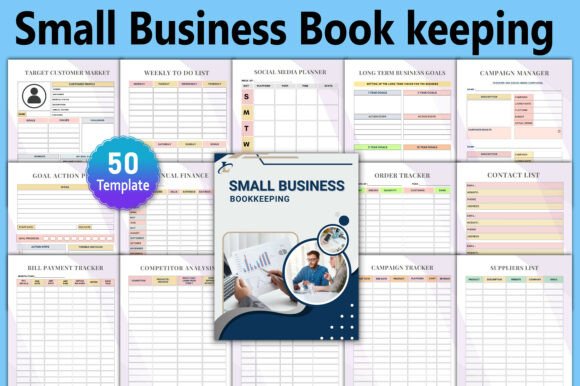
Small Business Bookkeeping Planner
Running a small business means wearing many hats—bookkeeper, marketer, strategist, customer service rep, and sometimes even graphic designer. When administrative tasks pile up, clarity slips away. That’s where the Small Business Bookkeeping Planner steps in—not as another app to learn or subscription to manage, but as a tangible, thoughtfully structured tool that aligns your daily actions with your long-term vision.
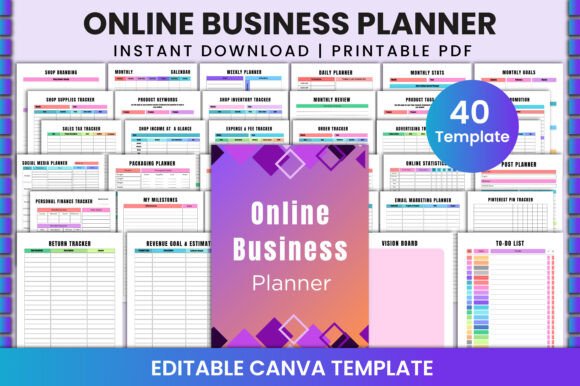
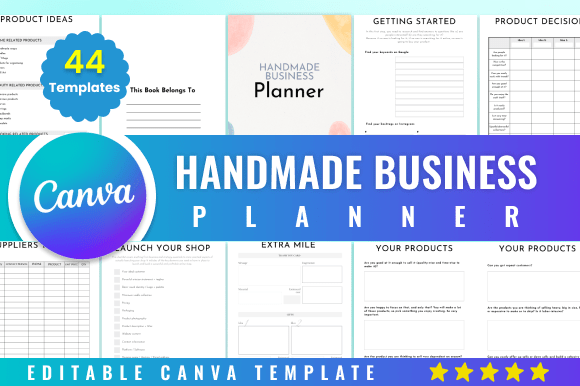
This isn’t just a calendar with expense columns. It’s a printable all-in-one planner designed for entrepreneurs, freelancers, solopreneurs, and micro-business owners who need structure without complexity. Whether you’re launching your first Etsy shop, managing a local service business, or scaling a content-based brand, the Small Business Bookkeeping Planner meets you where you are—offering flexibility for beginners and depth for those ready to systematize growth.
Clarity Starts With Foundation—Not Formulas
Many small business owners jump straight into tracking income and expenses, only to realize later they haven’t defined their core differentiators or ideal client. The Small Business Bookkeeping Planner begins with foundational worksheets: mission and vision statements, target audience profiles, and unique value articulation. These aren’t abstract exercises—they’re practical filters. For example, a freelance web designer using the “Target Audience” worksheet might refine her messaging from “I build websites” to “I help eco-conscious coaches launch high-converting service sites in under 10 days.” That specificity shapes everything—from pricing to social media captions to which platforms she invests time on.
These pages work best when revisited quarterly—not as static documents, but as living references that evolve with your business. They’re especially valuable for solo creators or educators launching digital courses, where positioning directly impacts enrollment and pricing confidence.
Finance Tracking That Fits Real Workflows
The finance section goes beyond basic income/expense logs. Monthly trackers include dedicated lines for tax-deductible categories (home office, software subscriptions, mileage), bill due dates with follow-up reminders, and side-by-side profit-and-loss summaries. Unlike spreadsheets that require formulas or apps that auto-categorize incorrectly, this planner puts control—and context—in your hands.
A freelance copywriter, for instance, can log client payments alongside related expenses (e.g., a $99 Canva Pro renewal tied to a specific campaign), then review at month-end to see exactly how much net revenue each project generated. No exporting, no reconciling across platforms—just clear cause-and-effect visibility. That kind of insight supports smarter pricing decisions and realistic cash flow planning, especially during seasonal dips.
Marketing Planning Without Overwhelm
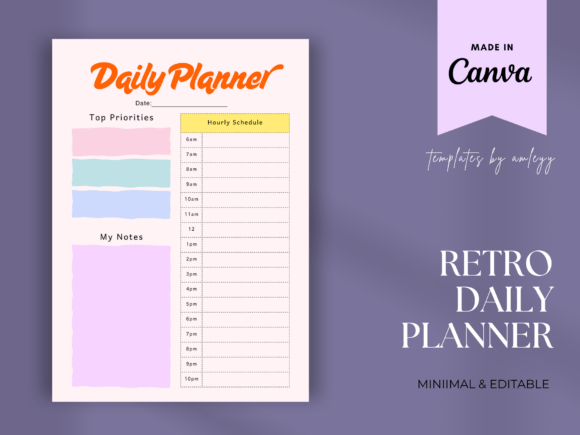
Marketing often stalls not from lack of ideas—but from fragmented execution. The Small Business Bookkeeping Planner integrates website planning, social media scheduling, and e-commerce tools into one cohesive system. Its weekly planner includes hourly blocks for drafting posts, responding to DMs, or recording short-form video—helping creators avoid the “I’ll do it later” trap.
The social media campaign pages go deeper than posting dates: they prompt you to define goals (“Increase newsletter signups by 15%”), note performance metrics post-launch, and track hashtag performance over time. A boutique owner using this might discover that educational Reels about fabric care drive more profile visits than promotional posts—shifting her content focus meaningfully.
Likewise, the e-commerce section includes price list templates, packaging checklists, and coupon trackers. For digital product sellers, there’s space to log platform fees, delivery timelines, and customer feedback—all in one place, not scattered across email threads or sticky notes.
Operations That Scale With You
As orders increase, so does the risk of missed shipments, duplicate invoices, or supplier miscommunication. The inventory and order management pages support both physical and digital products: track stock levels, note reorder thresholds, log supplier contact details, and record return reasons. A handmade jewelry maker might use the “Customer Order Log” to flag custom requests (e.g., “gold-filled ear wires”) and cross-reference them against packaging notes—reducing errors and follow-up messages.
For service-based businesses, the “Task & Project Tracker” replaces chaotic to-do lists with priority-based weekly planning. You’re not just listing “respond to client emails”—you’re blocking 9–10 a.m. on Tuesdays for communication, then reviewing completed items every Friday afternoon. That rhythm builds consistency without burnout.
Creativity, Not Clutter
The “Brain Dump” and mind map pages serve a quiet but vital function: creating space for unstructured thinking without losing direction. A blogger stuck on content strategy might use a mind map to explore themes like “audience pain points,” “top-performing past posts,” and “emerging industry trends”—then connect those nodes into a 3-month editorial plan. These aren’t filler pages; they’re cognitive scaffolds that turn overwhelm into actionable insight.
Who Benefits Most—and When to Look Elsewhere
The Small Business Bookkeeping Planner shines for those who prefer tactile planning, work across multiple platforms (e.g., Shopify + Instagram + email marketing), or find digital tools too rigid or distracting. It’s especially helpful for users with intermittent internet access, privacy concerns around cloud storage, or a preference for handwritten reflection.
That said, it’s not a replacement for accounting software like QuickBooks or Xero—nor is it meant to replace collaborative tools like Notion for teams larger than three. If your business relies heavily on real-time financial reporting, automated payroll, or multi-user dashboards, pairing this planner with a dedicated accounting solution makes sense. Think of it as your strategic companion—not your sole system.
Building Consistency, One Page at a Time
What makes the Small Business Bookkeeping Planner effective isn’t its comprehensiveness—it’s its intentionality. Each section exists to reduce decision fatigue, not add steps. You don’t need to fill every page daily. Start with one: the monthly income/expense tracker, the SWOT analysis, or the weekly social media planner. Build the habit first. Then layer in other sections as capacity allows.
Over time, patterns emerge—not just in finances, but in energy levels, creative output, and client feedback. That’s when the planner shifts from organizational tool to strategic compass. You begin noticing which marketing efforts actually move the needle. Which clients consistently pay on time. Which tasks drain versus energize you. Those observations, captured simply and consistently, become your most reliable data source.
Ultimately, the Small Business Bookkeeping Planner supports what matters most: sustainable progress. Not perfection. Not constant hustle. Just steady, thoughtful movement—aligned with your goals, grounded in your reality, and adaptable as your business grows.