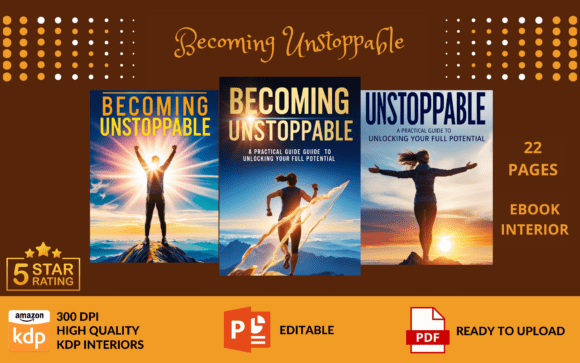
A Guide to Unlock Your Full Potential: A Practical Path to Self-Discovery and Growth
In a world where opportunities are abundant but personal growth can feel elusive, A Guide to Unlock Your Full Potential stands out as a resource that blends practicality with inspiration. This book is not just another self-help manual—it’s a structured journey designed to help readers break through mental and emotional barriers, cultivate a resilient mindset, and take meaningful steps toward achieving their goals. Whether you're looking to enhance your career, improve your relationships, or simply become the best version of yourself, this guide offers actionable strategies that align with real-world challenges.
What Makes This Guide Unique?
A Guide to Unlock Your Full Potential distinguishes itself by focusing on both the psychological and behavioral aspects of personal development. Unlike many self-help books that emphasize motivation alone, this guide delves into the root causes of limiting beliefs and provides tools to reframe them. It also integrates principles from psychology, neuroscience, and behavioral science to create a well-rounded approach to growth.
The book is structured around key themes such as goal setting, resilience, productivity, and confidence building. Each section includes exercises, reflections, and case studies that help readers apply concepts in their daily lives. The language is clear and accessible, making it easy for readers at any level of experience to engage with the material.
Comparing to Similar Resources
When evaluating resources like A Guide to Unlock Your Full Potential, it's important to consider how it compares to other books in the self-improvement and personal development categories. Many similar guides focus on one aspect of growth—such as time management or emotional intelligence—while others provide broad overviews without actionable steps.
A Guide to Unlock Your Full Potential bridges this gap by offering a comprehensive yet focused approach. It covers essential topics like mindset shift, self-discipline, and goal achievement, all while maintaining a practical tone. For example, while some books may encourage readers to “dream big,” this guide goes further by providing specific strategies to turn those dreams into reality.
Additionally, the book’s emphasis on resilience and mental toughness sets it apart from more generic self-help materials. In an era where setbacks are inevitable, having a framework to navigate failure and stay motivated is invaluable. This guide equips readers with the tools to do just that.
Strengths and Limitations
One of the strongest aspects of A Guide to Unlock Your Full Potential is its balance between theory and practice. Readers won’t find themselves overwhelmed by jargon or abstract concepts; instead, they’ll receive clear, step-by-step guidance that can be applied immediately. This makes the book particularly useful for those who prefer learning by doing.
However, the book’s brevity—only 22 pages—means that some topics may be covered more superficially than others. While this makes the guide ideal for quick reference or as a starting point, readers seeking in-depth exploration of specific areas may need to supplement their learning with additional resources.
Who Should Read This Book?
A Guide to Unlock Your Full Potential is ideal for individuals aged 20–50 who are actively working on personal or professional growth. Whether you’re a student aiming to improve academic performance, a professional looking to advance in your career, or someone seeking to build stronger relationships, this guide can be a valuable companion.
It’s especially beneficial for those who have tried other self-help methods without long-term success. The book’s focus on actionable steps and realistic expectations makes it a refreshing alternative to books that promise quick fixes without substance.
Realistic Examples and Practical Comparisons
To illustrate how A Guide to Unlock Your Full Potential differs from other resources, consider a common challenge: procrastination. Many books suggest overcoming procrastination through willpower alone, which can be ineffective in the long run. This guide, however, explores the underlying reasons for procrastination—such as fear of failure or perfectionism—and provides targeted strategies to address these issues.
For instance, the book introduces the concept of micro-goals, which breaks down large tasks into manageable steps. This approach is more effective than traditional goal-setting methods because it reduces overwhelm and increases momentum. Readers who have struggled with procrastination often find this method transformative.
When to Choose This Guide Over Others
A Guide to Unlock Your Full Potential is the right choice when you’re looking for a concise, no-nonsense approach to personal development. If you value practical advice that can be implemented quickly, this guide is an excellent option. It’s also well-suited for readers who prefer a structured format with clear sections and exercises.
On the other hand, if you’re interested in exploring a broader range of topics or want a more in-depth analysis of specific areas like emotional intelligence or leadership skills, you may benefit from reading multiple resources. However, for those seeking a single, reliable guide that covers the essentials, this book is hard to beat.
Conclusion
A Guide to Unlock Your Full Potential is more than just a book—it’s a roadmap to self-discovery and transformation. By combining psychological insights with practical strategies, it empowers readers to take control of their personal growth and achieve their goals. Whether you're looking to build confidence, improve productivity, or overcome obstacles, this guide offers the tools and inspiration you need to succeed.