300 Trauma Healing Journal Prompts: A Powerful Tool for Emotional Recovery
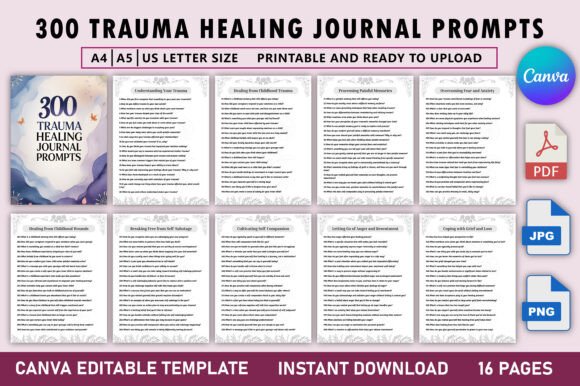
Trauma healing journal prompts are a vital resource for anyone seeking to process painful experiences, rebuild self-trust, and foster emotional resilience. With 300 Trauma Healing Journal Prompts available in an editable Canva format, individuals can tailor their therapeutic journey to fit their unique needs. Whether you're a professional working with trauma survivors or someone on your own path to recovery, these prompts offer a structured yet flexible way to explore deep-seated emotions and thoughts.
Understanding the Power of Journaling in Trauma Healing
Journaling has long been recognized as a therapeutic tool that supports mental health and emotional well-being. When it comes to trauma healing, journaling serves as a safe space to express feelings, reflect on experiences, and track progress over time. The 300 Trauma Healing Journal Prompts provide a comprehensive set of questions designed to guide users through various aspects of trauma recovery, from understanding past experiences to cultivating self-compassion.
These prompts are not just random questions—they are carefully crafted to encourage introspection and self-awareness. By engaging with them regularly, individuals can begin to make sense of their trauma narratives, identify patterns of behavior, and develop healthier coping strategies. The 300 Trauma Healing Journal Prompts also allow for customization, making them adaptable to different stages of healing and personal preferences.
How to Use the 300 Trauma Healing Journal Prompts Effectively
Using the 300 Trauma Healing Journal Prompts is a simple yet powerful process. Start by selecting a prompt that resonates with your current emotional state or a specific area of focus. Write freely without judgment, allowing your thoughts to flow naturally. This practice helps release pent-up emotions and fosters clarity.
For example, one prompt might ask, “What does it feel like to be safe right now?” This question encourages grounding and can help reduce anxiety during moments of emotional overwhelm. Another might be, “What did I learn about myself through this experience?” This type of prompt promotes self-reflection and personal growth.
It's important to note that journaling should be done in a comfortable environment where you feel secure and supported. You may choose to write in a notebook, use a digital platform, or even record your thoughts if that feels more natural. The key is consistency—regular engagement with the 300 Trauma Healing Journal Prompts can lead to meaningful insights and lasting change.
Customizing Your Journaling Experience with Canva
The 300 Trauma Healing Journal Prompts come in an editable Canva format, which allows users to personalize their journaling experience. With Canva, you can adjust font styles, colors, and sizes to create a visually appealing and emotionally supportive journal. This level of customization makes the process more engaging and tailored to individual preferences.
For instance, you might choose a calming blue theme to promote relaxation, or a warm orange palette to evoke feelings of comfort and safety. Adding images or illustrations can also enhance the therapeutic value of the journal, providing visual cues that support emotional processing.
Canva’s user-friendly interface ensures that even those with limited design experience can create beautiful and functional journal templates. This accessibility makes the 300 Trauma Healing Journal Prompts a versatile tool for both professionals and individuals looking to support their own healing journeys.
Exploring Key Themes in Trauma Healing
The 300 Trauma Healing Journal Prompts cover a wide range of themes essential to trauma recovery. These include understanding trauma, processing painful memories, managing triggers, rebuilding trust, and cultivating self-compassion. Each prompt is designed to address a specific aspect of healing, ensuring a holistic approach to recovery.
One of the most critical areas addressed is processing painful memories. Trauma often involves repressed or fragmented memories that can resurface unexpectedly. Through guided reflection, individuals can begin to integrate these memories into their broader life narrative, reducing the emotional weight they carry.
Another important theme is rebuilding trust in oneself and others. Trauma can erode self-worth and damage relationships. The 300 Trauma Healing Journal Prompts help users explore their beliefs about trust, identify patterns of betrayal or neglect, and gradually rebuild confidence in themselves and their connections with others.
Practical Applications of the Journal Prompts
The 300 Trauma Healing Journal Prompts are not only useful for personal healing but also have practical applications in therapeutic settings. Therapists can use these prompts as part of their sessions to facilitate deeper conversations and encourage clients to explore their experiences in a structured way.
For example, a therapist might use a prompt like, “What do I need to feel safe and supported?” to help a client identify their emotional needs and develop strategies for meeting them. This type of guided reflection can lead to more effective therapy outcomes and greater client engagement.
Additionally, the 300 Trauma Healing Journal Prompts can be used in group settings, such as support groups or workshops, to foster connection and shared understanding among participants. This collaborative approach can enhance the healing process and create a sense of community.
Designing a Trauma Healing Journal with Canva
Creating a trauma healing journal with Canva is a creative and empowering process. The editable format allows users to design a journal that reflects their personal journey and emotional needs. From layout to color scheme, every detail can be customized to create a space that feels safe and supportive.
Consider incorporating elements that promote calm and focus, such as soft backgrounds, gentle fonts, and soothing colors. You might also add motivational quotes or affirmations to reinforce positive messages throughout the journal. These design choices can significantly impact the overall experience of journaling, making it more enjoyable and effective.
Canva also offers templates that can be adapted for different purposes, such as daily journaling, weekly reflections, or monthly check-ins. This flexibility ensures that the journal remains relevant and useful throughout the healing process.
Conclusion
The 300 Trauma Healing Journal Prompts offer a powerful and accessible tool for anyone on the path to emotional recovery. Whether used for personal healing or in a therapeutic setting, these prompts provide a structured yet flexible way to explore trauma, process pain, and build resilience. With the ability to customize the journaling experience using Canva, individuals can create a personalized and supportive space for healing. By engaging with these prompts consistently, users can gain valuable insights, develop healthier coping strategies, and ultimately foster a deeper understanding of themselves and their experiences.